
By Anna, May 12, 2026 · 6 min read
Digital Transformation in Construction
Construction companies rarely struggle because of a lack of work. More often, the challenge is growing operational chaos.
As companies grow, so do deliveries, subcontractors, approvals, and manual coordination. Information gets spread across spreadsheets, phone calls, and WhatsApp messages. Teams stay busy, but visibility gets harder.
The result? Delays, budget surprises, and shrinking margins that often become visible only after the project ends. This is why construction digitalization is becoming less about innovation and more about better control. Companies using digital tools increasingly outperform those relying on disconnected processes.
Why Construction Still Runs on Excel, Phones and WhatsApp
In many construction companies, processes developed naturally over time. Spreadsheets became systems, WhatsApp replaced delivery tracking, and urgent problems were solved through phone calls.
This works when projects are smaller. Growth changes everything.
More projects mean more complexity, scattered information, and less visibility. Material orders, delivery updates, and budget tracking happen across different tools, making coordination harder.
Teams stay busy, but project managers often spend more time chasing information than managing work.
Where Construction Companies Really Lose Money
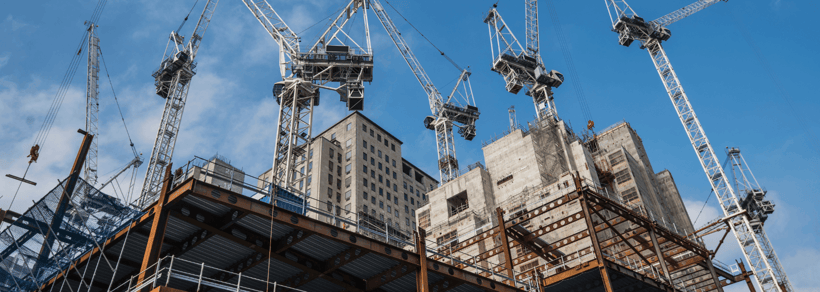
Most losses in construction do not come from one big mistake. They usually come from small problems repeated across projects. Common examples include:
- ordering too many materials “just in case”
- urgent purchases at higher prices
- delayed deliveries
- underestimated labor hours
- missing documentation
- budget problems spotted too late
Small issues may seem manageable but across many projects they can seriously reduce profits.
According to McKinsey,large co nstruction projects often take 20% longer than planned and can go up to 80% over budget. Poor coordination and limited visibility are major reasons.
Construction will always involve unexpected changes. The real challenge is seeing problems early enough to react.
When delays or budget issues become visible too late, companies lose the chance to fix them. That is why many growing businesses experience the same problem: more projects and more revenue but not always better margins.
What Industry Reports Say About Construction Digitalization
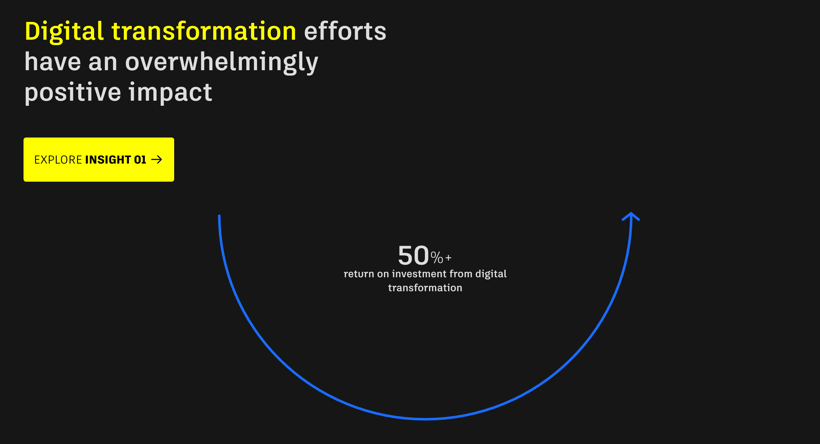
Construction is still one of the least digitized industries. At the same time, research shows that companies investing in construction digitalization perform better.
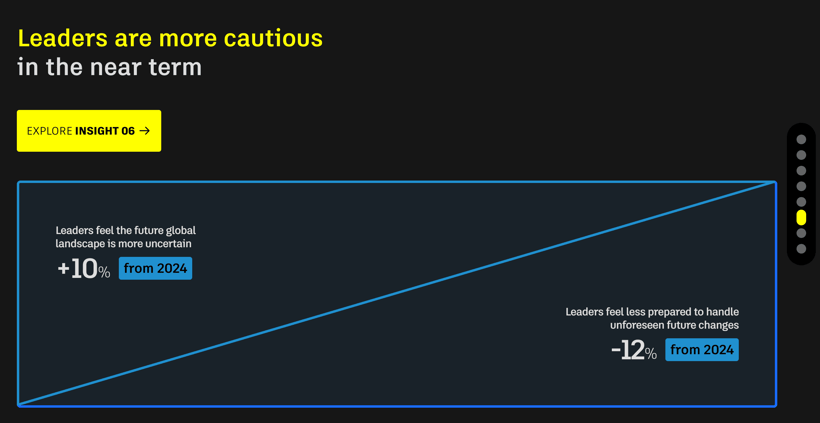
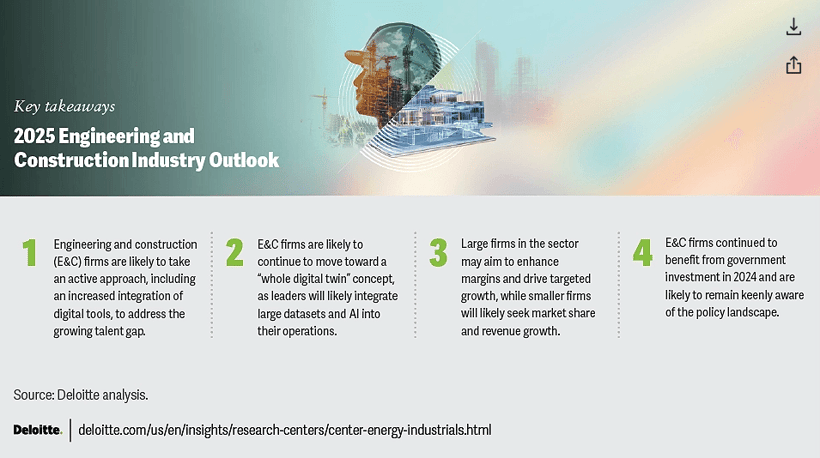
The World Economic Forum highlights poor communication and fragmented data as major productivity problems. Autodesk’s 2025 report shows that digitally mature companies achieve stronger productivity and financial performance, while Deloitte and McKinsey point to manual processes and disconnected systems as key causes of inefficiency.

What Digital Transformation Actually Means in Construction
For many construction companies, digital transformation sounds expensive and complicated.
In reality, it often starts small. The goal is simple: make information easier to track and share.
In practice, this can mean:
- better delivery tracking
- real-time budget visibility
- automated approvals
- digital confirmations from sites
- better communication between teams
The goal is not to digitize everything at once. It is to improve visibility and reduce daily operational chaos. Because when information is spread, decision-making becomes slower and expensive.
How AI Can Help Construction Companies Without the Hype
AI in construction is often overcomplicated. In reality, most companies do not need futuristic automation - they need practical support for daily operations. From what we see in real projects, AI in construction creates the most value in three areas:
1. Faster Analysis: AI can analyze operational data faster than manual workflows and help teams spot issues earlier, for example:
- unusual spending patterns
- budget deviations
- recurring delivery delays
- inconsistencies in estimates
2. Less Administrative Work: Construction management involves a lot of repetitive coordination. AI can help automate:
- project update summaries
- delivery status reporting
- document classification
- workflow validation
- internal reporting This reduces manual workload for project managers and operational teams.
3. Faster Validation of Ideas: One of the biggest advantages of AI is speed. Companies can test workflows and operational ideas earlier - before investing heavily in software or organizational changes.
This helps reduce risk and validate better processes faster.
Case Study: How Hatimeria Used AI Prototyping for a Construction Client
At Hatimeria, we worked with a construction company that wanted to improve delivery and supply management. The main challenge was simple: too much work was happening manually, information was hard to track, and nobody had full visibility.
Deliveries were tracked through calls, spreadsheets, and messages, which made coordination difficult.
Instead of spending weeks discussing requirements in documents and presentations, we quickly built a simple working prototype using AI-supported. This allowed the client to test workflows during workshops and quickly spot issues that were previously hard to see, such as:
- missing approval steps
- unclear responsibilities
- gaps in communication between teams
- problems with partial deliveries
- inconsistent delivery confirmations
The biggest lesson? AI was not the goal itself. It simply helped the team test ideas faster, spot problems earlier, and reduce the risk of making expensive decisions too soon.
You can read more about this approach here: Hatimeria AI-driven prototyping case
From Reactive Management to Better Control
In many construction companies, teams react only after problems happen. A delivery is late, costs increase, or deadlines are missed and only then does action begin.
Construction digitalization helps spot issues earlier. For example:
- delayed deliveries trigger alerts
- budget issues become visible faster
- approval gaps are easier to spot
- managers can react before problems grow
Technology will not remove complexity from construction, but it can make operations easier to manage.
How to Start Digitalization
Many companies try to digitize everything at once. That usually creates confusion. A better approach is to start with one problem area, such as:
- delivery coordination
- material tracking
- budget visibility
- approvals
- reporting
Then follow a few simple steps:
1. Understand the real process: See where information gets lost and where teams rely on calls, WhatsApp, or spreadsheets.
2. Find manual work: Look for repetitive tasks and wasted time.
3. Test before investing: Simple prototypes help validate ideas before bigger investments.
4. Measure results: Track improvements like fewer delays, faster approvals, or better budget control. The goal is simple: better visibility and better decisions.
Conclusion
Most construction companies do not struggle because teams are not working hard. The problem is that information is spread across different places, making it hard to stay in control. As projects grow, spreadsheets, calls, and disconnected tools become harder to manage.
Digital transformation in construction helps companies stay in control. AI can support teams by helping them spot problems earlier and make faster decisions.
Better visibility often means:
- fewer delays
- faster decisions
- lower operational waste
- stronger margins
- more predictable growth
Let’s Talk
At Hatimeria, we help companies improve workflows, test ideas quickly, and identify practical automation opportunities before major investments. If operations are becoming harder to manage as your business grows, let’s talk.
Would you like to innovate your ecommerce project with Hatimeria?

With over 10 years of experience in digital marketing, she helps IT businesses create online campaigns and marketing funnels to boost brand recognition and drive sales. In her free time, she loves hiking in the mountains, especially the Tatra Mountains. She’s a big fan of documentaries, thrillers, and TV shows - she knows Friends by heart! ;) She enjoys Italian food and good music.