
By Anna, December 08, 2025 · 8 min read
Interior Design E-commerce in 2026: AI, 3D and Digital Experiences That Really Sell
Interior design e-commerce is changing fast. In 2026, it will no longer be enough to have a nice-looking website and good product photos. Customers expect more. They want to understand the product quickly, feel confident about their choice and move smoothly from design inspiration to purchase.
Selling interior products online is not easy. Furniture, lighting or custom-made items are often expensive, large and highly personal. Customers ask themselves simple but critical questions: Will it fit my space? How will it look in real life? Will it match my decor and look good in my home? Is this the right version for me?
If an online store does not answer these questions clearly and fast, users leave.
That is why interior design e-commerce in 2026 will focus on clarity, interaction and smart digital tools, not just inspiration.
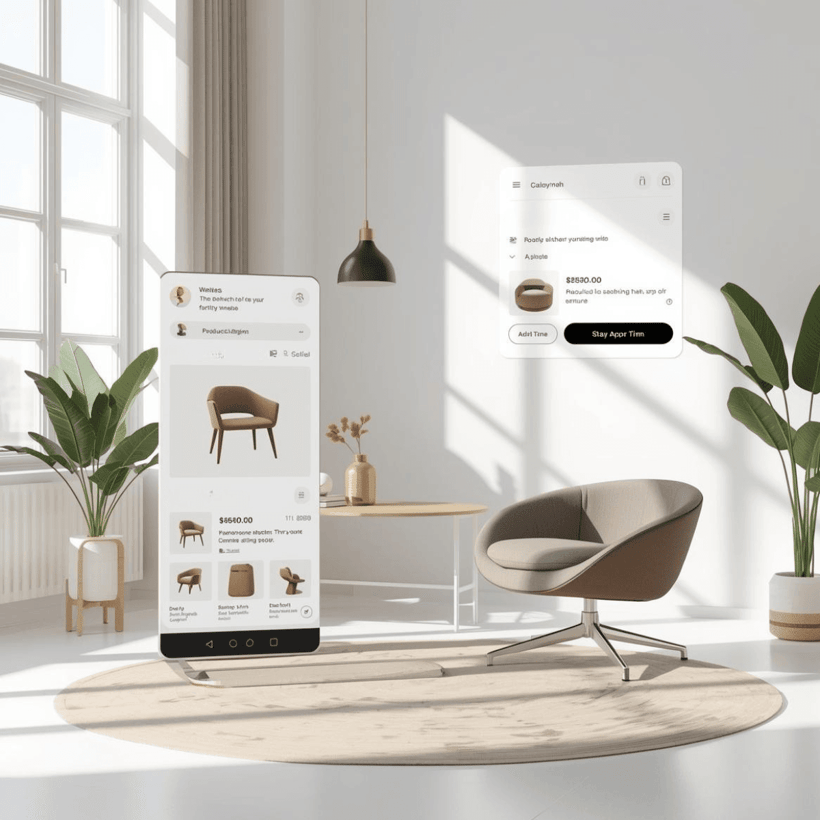
3D Configurators: Helping Customers Decide
One of the most important interior design e-commerce trends for 2026 is the wider use of 3D configurators.
A 3D configurator allows customers to:
-
rotate the product
-
change materials, colors or finishes
-
adjust size or layout
For customers, configurators reduce uncertainty. For brands, they turn complex products into confident purchase decisions. Instead of guessing how a product might look, users can actively explore it. This makes a big difference, especially for high-value or customizable products.
From a business point of view, 3D configurators help to:
-
increase time spent on product pages
-
improve conversion rates
-
reduce returns and customer questions
-
support premium pricing
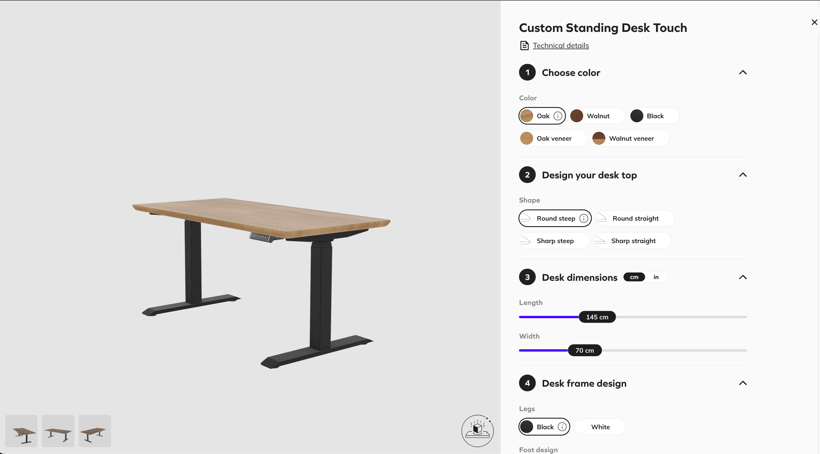
Case example: Oakywood - 3D Configurator That Improves UX and Sales
Oakywood is a Polish interior design brand that combines traditional craftsmanship with modern technology. In their workshop in the Podhale region, they create premium wooden desks and accessories that are shipped to customers all over the world. A key part of their online experience is a 3D product configurator, which allows customers to design and personalize products in real time.
Before optimization, Oakywood’s Shopify store had strong potential but also clear challenges. Navigation was not intuitive, product pages loaded slowly and the desk configurator did not work as smoothly as customers expected. Important product details were hard to find, which made customization frustrating instead of helpful.
At Hatimeria, we focused on turning the configurator into a real decision-support tool, not just a visual feature. We:
-
simplified navigation so customers could find products faster
-
improved the 3D desk configurator to make customization smooth and responsive
-
optimized product pages to load faster, even with advanced configuration options
-
reorganized product information so key details were always easy to access
The result? Customers could finally explore, customize and understand products without friction. More users started using the 3D configurator, personalization became easier, and completed purchases increased. At the same time, Oakywood’s Shopify store became faster, clearer and ready for global growth.
This case shows how 3D configurators, when combined with good UX and performance optimization, directly support sales. In 2026, customers will expect this level of interaction as standard.
AI in Interior Design E-commerce: Simple Help, Big Impact
AI sounds complex, but in interior design e-commerce its role is actually very practical. In 2026, AI will mainly help customers choose faster and better, while helping brands work more efficiently.
AI can support interior e-commerce in many ways:
-
recommending products based on style or room type
-
helping customers select the right size or configuration
-
sorting products so the most relevant ones appear first
-
analyzing data to predict demand and plan stock
The biggest value of AI is that it reduces overload. Interior stores often offer many similar products. Too much choice can stop customers from buying at all. AI helps guide them step by step.
Personalization That Understands Context, Not Just Clicks
Personalization in interior e-commerce is changing. In the past, it was mostly about showing “similar products.” In 2026, personalization will be about understanding the situation of the customer. This means adapting the experience based on:
-
what room the customer is designing
-
whether they are just looking or ready to buy
-
whether they use mobile or desktop
-
what style or values they prefer
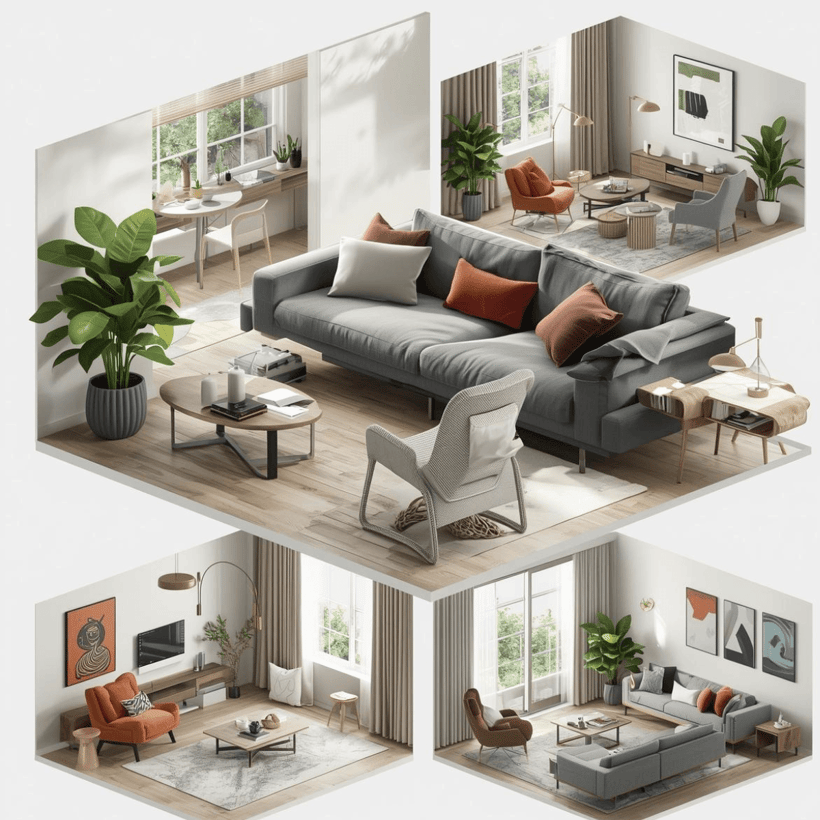
For example, someone looking for furniture for a small apartment needs different guidance than someone designing a home office.
Brand example: Oakywood This is a strong example of how a premium interior brand can combine craftsmanship with a clear, digital-first experience. Their website uses 3D configuration, performance optimization and consistent UX to support confident purchasing decisions without overwhelming users. In 2026, this kind of natural, context-aware personalization will be the expected standard in interior e-commerce.
Performance Matters More Than Ever
Interior design e-commerce websites are often heavy. Large images, videos, animations and 3D elements look great, but they can slow down the site significantly. Many teams assume that when a Shopify store becomes slow, the platform itself is the problem. In reality, this is rarely true.
Over 80% of Shopify performance issues are caused by apps, third-party scripts and heavy themes, not by Shopify as a platform. Over time, stores accumulate marketing tools, tracking scripts and design elements that are never fully optimized or removed. A slow store not only hurts conversions, but also increases paid traffic costs and limits organic visibility.
Real-life example from the interior design industry
We recently worked with a US interior design brand whose Shopify store had become slow and difficult to maintain. Instead of rebuilding the store from scratch, we focused on simplification:
-
switching to a clean, lightweight Prestige theme
-
removing unnecessary apps and scripts
-
keeping only integrations that delivered real business value
The result?
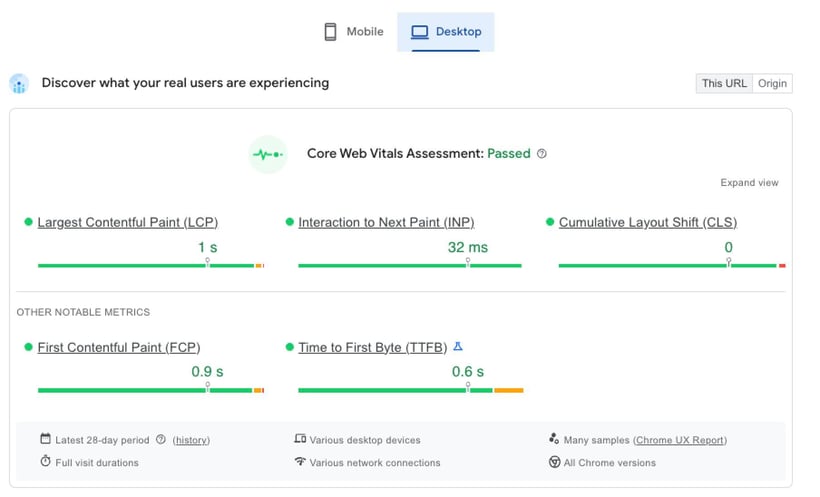
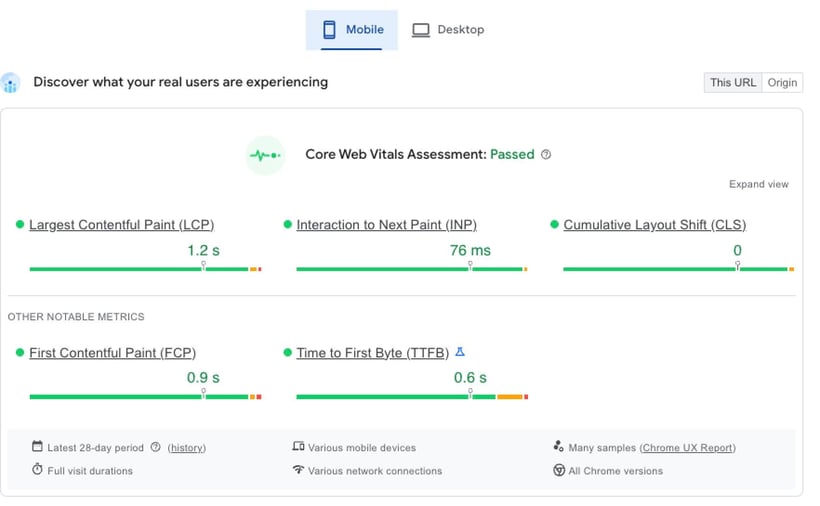
A faster and more stable store that improved Core Web Vitals, reduced friction in the buying process and created a much smoother shopping experience. In 2026, speed is not optional. Performance has a direct impact on SEO visibility, conversion rates and sales results.
Checkout Experience: Small Changes, Big Impact
In interior design e-commerce, customers often spend a lot of time choosing the right product. But many purchases are still lost at the final step - checkout. A slow or complicated payment process can cancel all earlier efforts.
That’s why in 2026, checkout optimization is a direct revenue lever, not just a technical task.
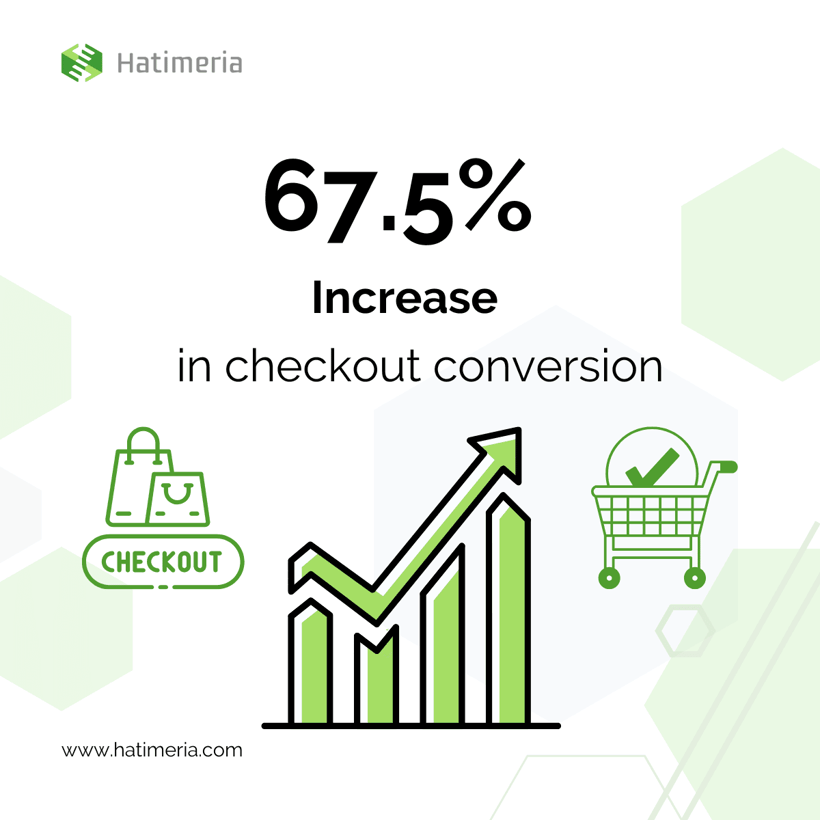
Case example: Bedre Nætter - +67.5% Checkout Conversion
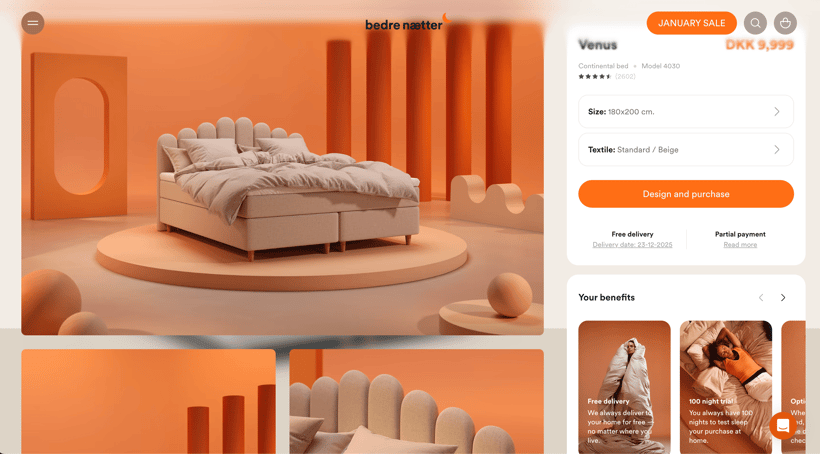
Bedre Nætter, one of Europe’s largest online sellers of beds and bedroom furniture, struggled with a slow and complex checkout. Instead of guessing, we used A/B testing to compare three checkout solutions: React Checkout, Hyvä Checkout and Luma Checkout.
All versions were tested at the same time, under real conditions. The data was clear. Hyvä Checkout was the fastest and easiest to use, which led to fewer drop-offs during payment.
Why this matters in 2026
For interior e-commerce brands, this shows that:
-
faster checkout means more completed purchases
-
fewer steps reduce cart abandonment
-
testing real user behavior beats assumptions
Even small, focused improvements at checkout can deliver significant business results.
Content That Helps People Make a Decision
Inspiration will always be important in interior design. But in 2026, content must do more than inspire - it must help customers decide.
Effective interior e-commerce content includes:
-
clear explanations of differences between products
-
simple guides for choosing size or materials
-
short videos (reels) answering common questions
-
helpful information placed directly on product pages
The goal is to make the buying process easier, faster and more confident.
What Really Matters for Interior Design E-commerce in 2026
To stay competitive, interior brands should focus on:
-
digitizing products with 3D configurators
-
using AI to guide and support customers
-
building fast, reliable e-commerce platforms
-
creating clear and helpful buying experiences
-
reducing confusion and decision stress
The brands that win will not be those with the biggest catalogs, but those that make complex choices simple.

The Future of Interior Design E-commerce Starts with Digitization
Interior design e-commerce in 2026 will be built around smart digitization. AI, 3D configurators and performance-focused UX are no longer optional - they are essential tools for growth.
At Hatimeria, we help interior and lifestyle brands digitize their e-commerce - from 3D configurators and AI-powered solutions to performance optimization and scalable digital platforms.
Planning your interior design e-commerce for 2026? Let’s talk. We help brands turn inspiration into clear decisions and real business results.
Would you like to innovate your ecommerce project with Hatimeria?

With over 10 years of experience in digital marketing, she helps IT businesses create online campaigns and marketing funnels to boost brand recognition and drive sales. In her free time, she loves hiking in the mountains, especially the Tatra Mountains. She’s a big fan of documentaries, thrillers, and TV shows - she knows Friends by heart! ;) She enjoys Italian food and good music.